Water and Watershed Protection
New Mexicans enjoy iconic rivers and aquatic playgrounds at our many beautiful lakes and reservoirs. Yet, many of our precious surface waterbodies, forested watersheds, and groundwater resources are polluted or at risk of degradation due to human activity, natural disasters, extreme weather, and other threats. As we face realities of diminishing freshwater supplies in the coming decades, we are reminded that every drop counts. That means we have a responsibility to keep healthy water from becoming polluted.
The priority actions set forth in this section highlight four key areas of increased focus that will ensure we are working toward access to clean water for all our communities and prevent certain sources of freshwater from becoming polluted or degraded sacrifice zones. Future generations of New Mexicans and our vibrant agricultural and outdoor recreation sectors depend on New Mexico to protect and restore water quality. As drought intensifies and new water pollutants emerge, we must simultaneously cleanup legacy waste and put strong programs in place to protect healthy watersheds and pristine aquifers through pollution prevention, forestland restoration, and fixing aging infrastructure.




Recent Highlights
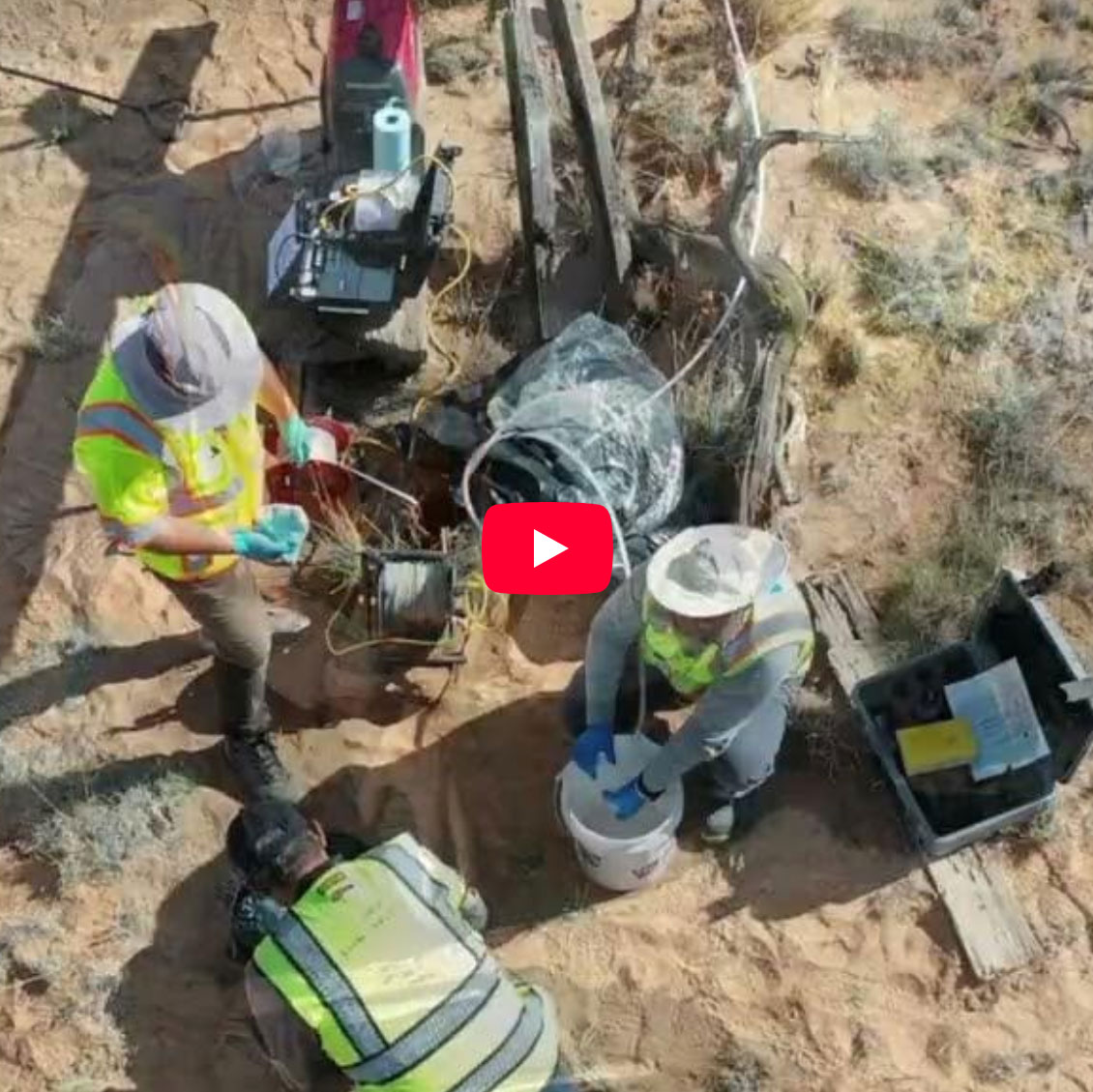
C1: Watch The Kickoff of the New Mexico Uranium Mine Cleanup Program at Schmitt Decline Mine
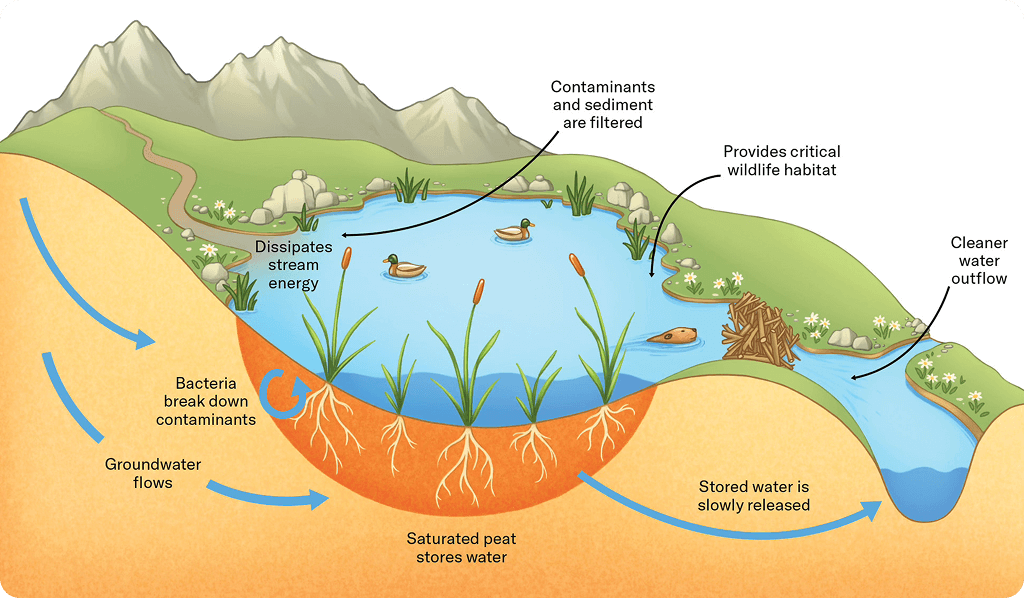
C2: New Mexico Featured in High Country News Article, “Western states step up to save their wetlands”
C4: After major wildfires, New Mexico foresters aim to produce 5 million 'climate-adapted' tree seedlings annually

C1: Clean up contaminated groundwater sites
C1: The ROI Goal
C1: Progress
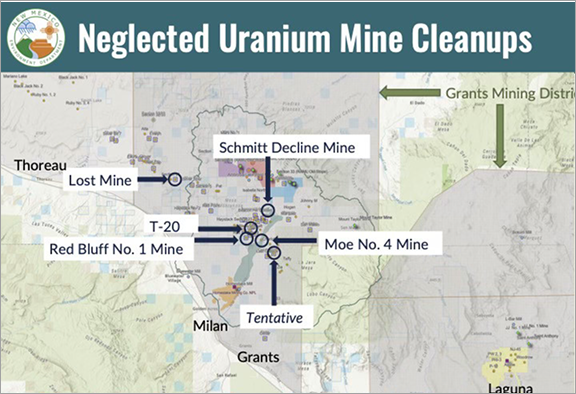
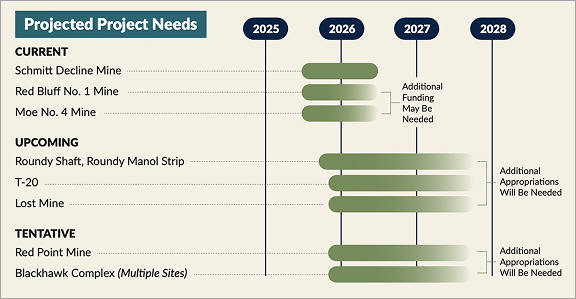
NMED received $12M from a 2025 special appropriation to address abandoned uranium mines. With these funds, NMED initiated 15 neglected/abandoned uranium mine site cleanups; assessments, surveys, and investigations are underway. Two of the mines, the Schmitt Decline mine and the Red Bluff No. 1 mines will finish surface reclamation before June 30, 2026. Work to reseed the sites starts in August 2026, and the sites will be monitored in future years.
GWQB performed remedial actions at two Neglected Contamination Sites located in Tucumcari and Bloomfield in FY26. Both sites have soil and groundwater contamination. The remedial actions consisted of soil removal and placement of amendments in the subsurface to treat groundwater contamination. GWQB also contracted for performance of Phase I environmental site assessments at seven additional sites; information from these assessments will inform future site investigations and remedial actions.
As of June 2026, there are 1,006 release sites with 85 above-ground storage tanks (AST), 912 underground storage tanks (UST), and 3 AST/UST.
Of the 15 Superfund sites in New Mexico, 13 are on schedule with remedial action plans. The two without plans are still in the investigation stage of work, so EPA has not yet selected remedies. Those two sites are on track for remedy selection before 2035. On funding, there are no current funding lapses. However, none of the sites are "prepaid", so EPA will need to provide funding and New Mexico will need to continue to provide state matching funds through the biennial Superfund Obligations request; NMED will submit its next request for the 2027 legislative session).
C1: Groundwater Cleanup Timeline
Projects Underway in 2025 and 2026
As of 2026, there are over 348 contaminated sites in New Mexico without a responsible party.
- 302 neglected contaminated sites plus an unknown number of former dry cleaner sites
- 46 neglected abandoned uranium mine sites